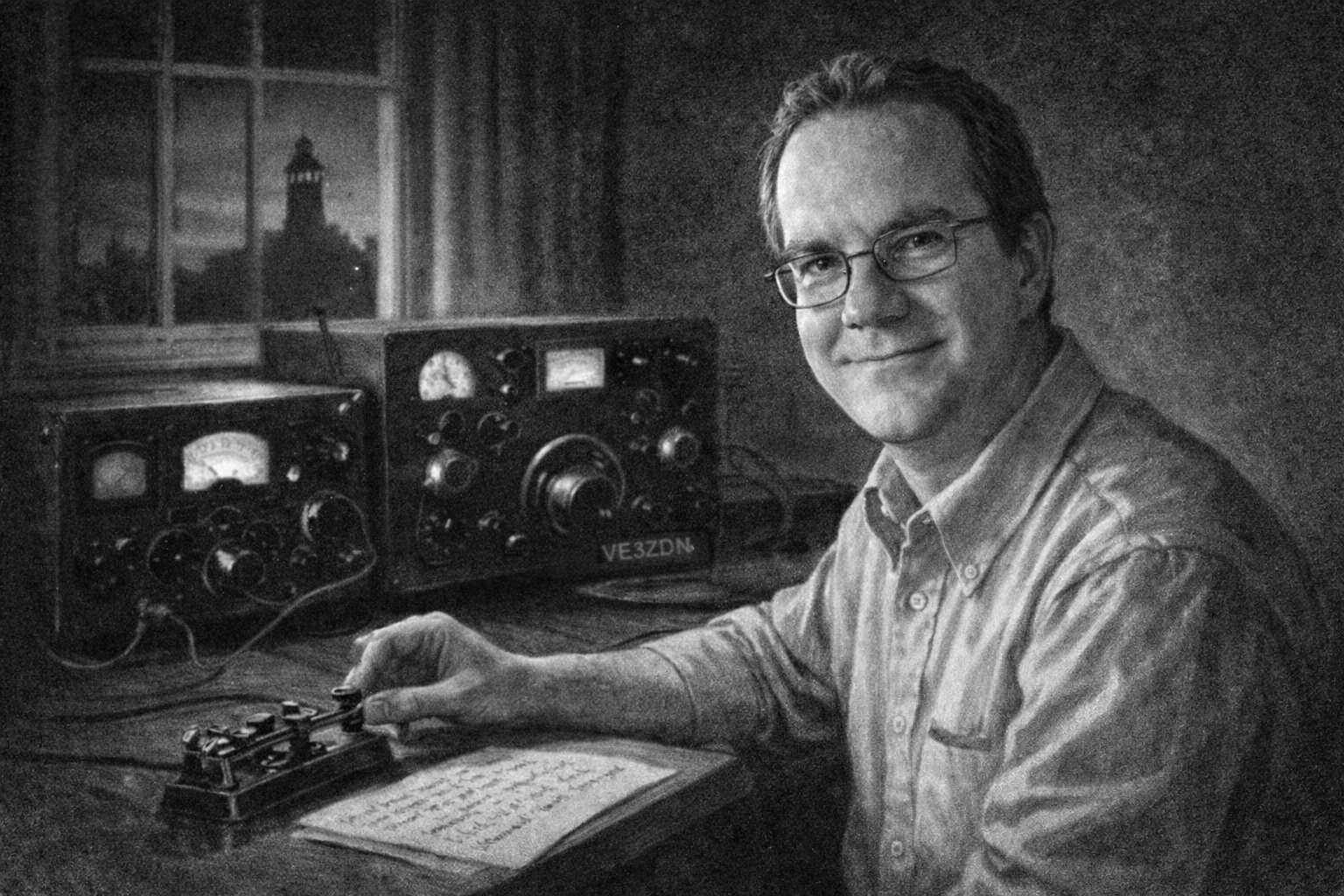
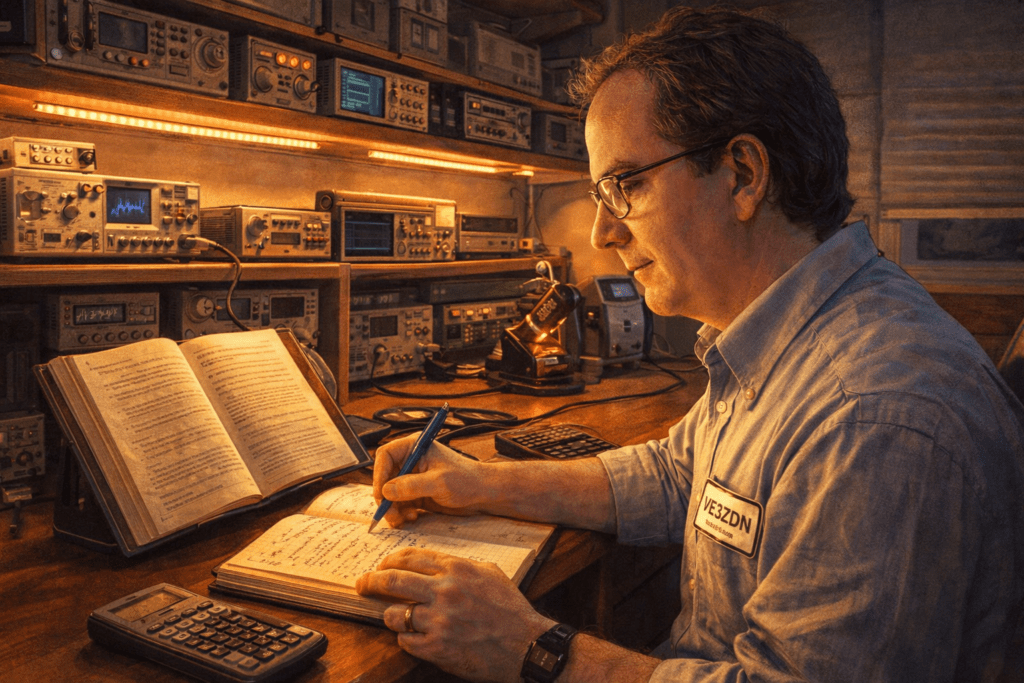
I’ve officially cracked open the books again—this time for the Advanced Amateur Radio Certificate and the CW (Morse code) endorsement. It feels a bit like coming full circle: the kid who once tinkered with circuits and devoured electronics and radio magazines is now diving deeper into the theory, the math, and the hands-on craft that make amateur radio such a fascinating technical pursuit.
The Advanced material opens up everything I love: RF design, linearity, oscillators, filters, EMC, antennas, digital modes, and all the elegant physics that sit just beneath the surface of ordinary voice communication. It’s like pulling back the curtain on how radios really work—something I’ve spent my entire engineering career orbiting around anyway.
And CW? Well, that’s its own kind of magic. Learning Morse isn’t just memorizing dits and dahs; it’s learning to think in rhythm, timing, and sound patterns. It’s equal parts language, music, and meditation. There’s something charmingly old-school about connecting to over a century of radio history, while knowing that the skill is still as relevant today as it ever was. It’s where telecommunications began when Samuel Morse tapped out his first message on May 24th, 1844.
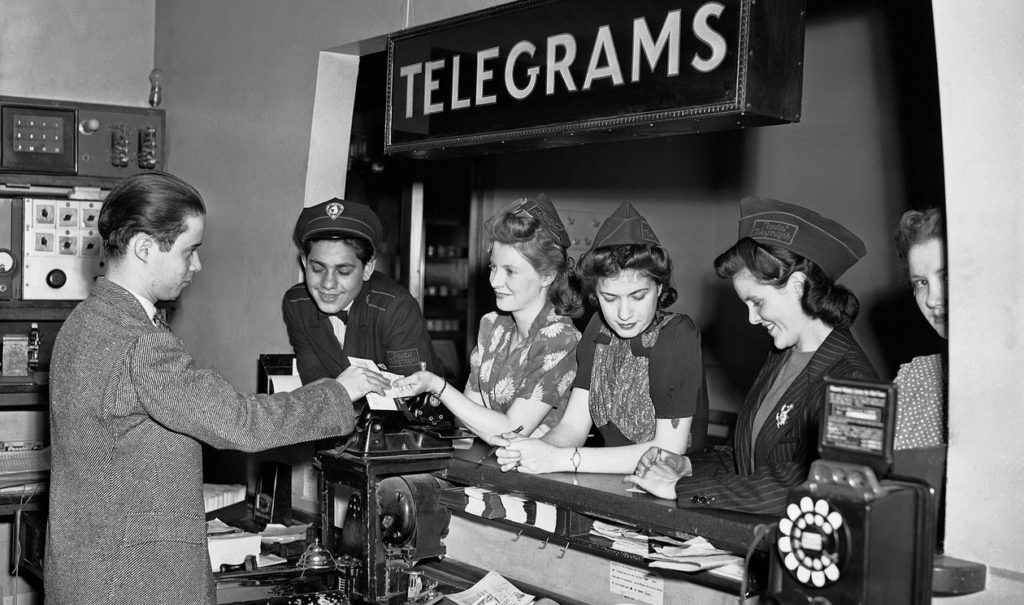
AP Photo
Honestly, it feels good to be a student again. To stretch the brain. To wrestle with old and new ideas. To learn a skill that rewards both precision and patience.
Let’s see where this next leg of the journey leads.
— Doug (VE3ZDN)
