Blog

  • Step-by-Step – 3rd Class

    Step-by-Step – 3rd Class

    1. Step by step – 1st Class
    2. Step-by-Step – 2nd Class
    3. Amateur Radio Codes of Conduct
    4. Step-by-Step – 3rd Class
    5. Step-by-Step – Class 4a
    6. Step-by-Step – Classes 4b & 4c
    7. Step-by-Step—Class 5
    8. Step-by-Step—Class 6
    9. Step-by-Step—Class 7
    10. Step-by-Step—Class 8a
    11. Step-by-Step—Class 8b
    12. Step-by-Step—Class 9
    13. Step-by-Step—Class 10
    14. Step-by-step—Class 11
    15. A Modern Code of Conduct and Ethics for Amateur Radio
    16. Step-by-step—Class 12
    17. Step-by-step—Class 13
    18. Step-by-step—Class 14
    19. Step-by-step—Class 15
    20. Step-by-step—Class 16
    21. Step-by-step—Class 17
    22. Reflection: My Amateur Radio Journey So Far
    23. Authorized to Transmit

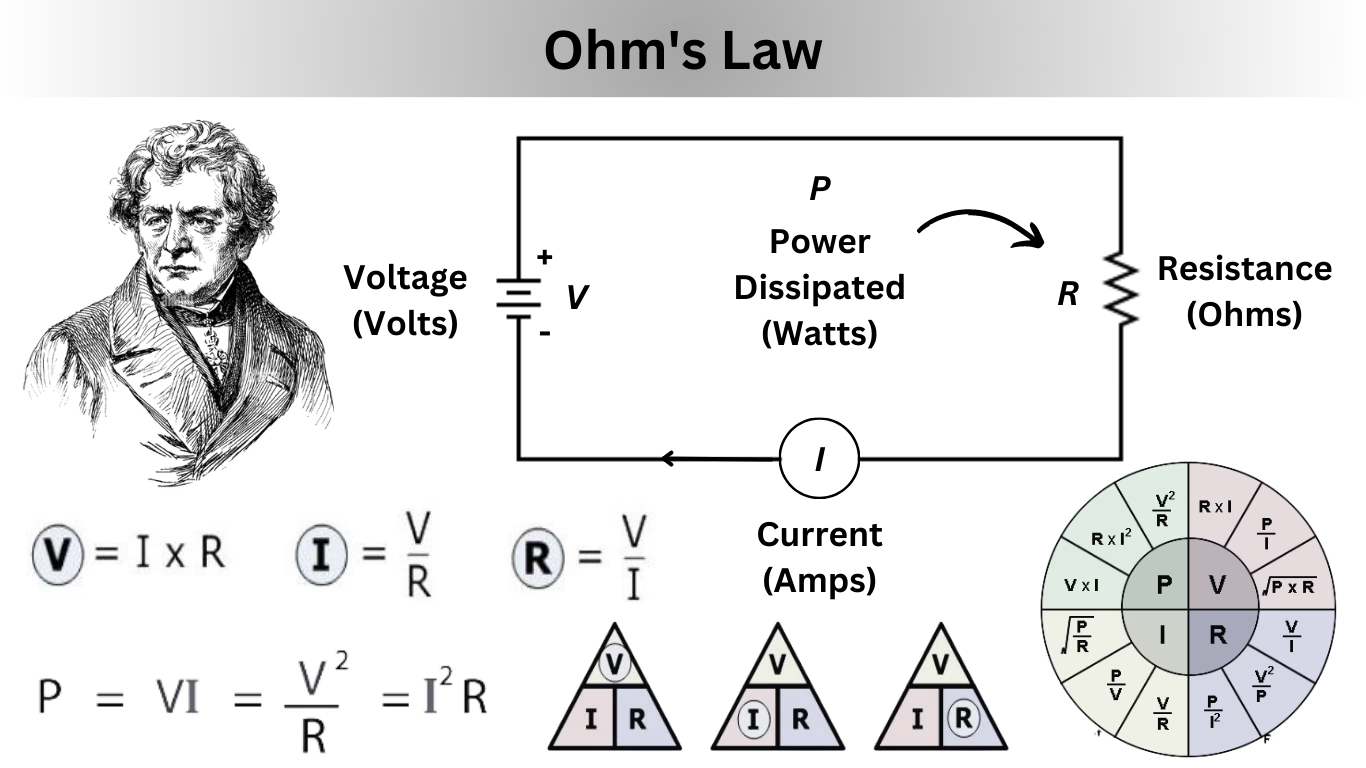
    Understanding Ohm’s Law and Power
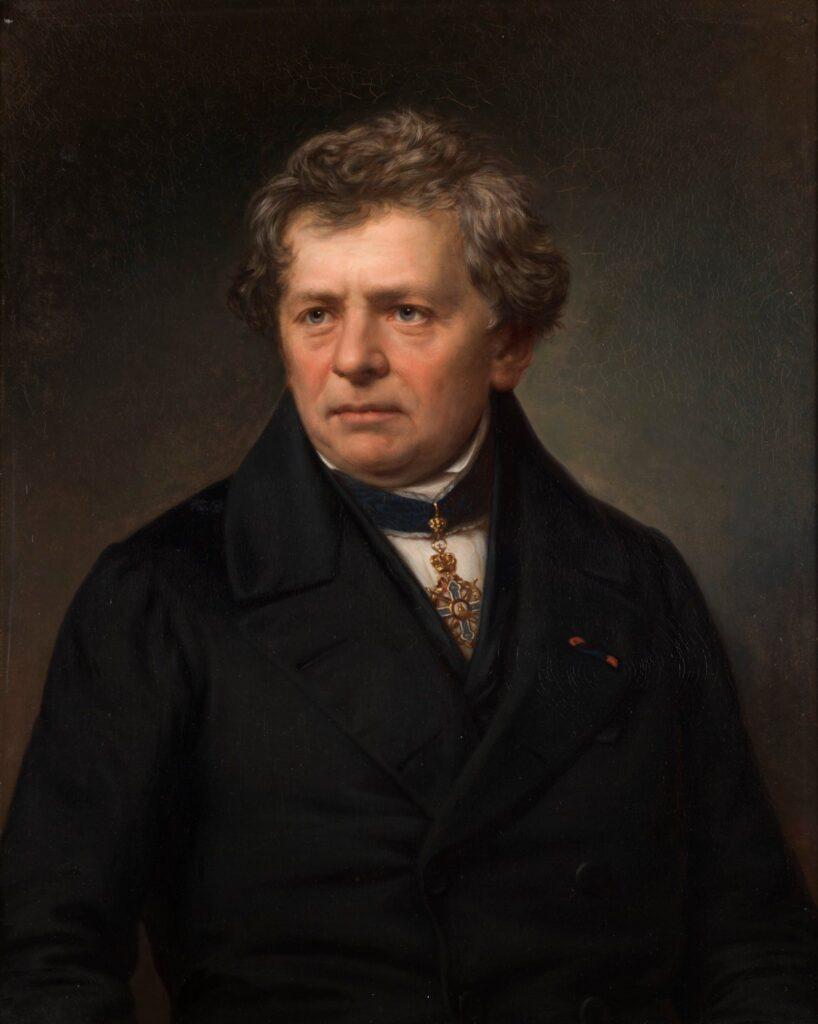
    A painting of Georg Simon Ohm.
    Georg Simon Ohm

    One of the cornerstones of electrical engineering and electronics is Ohm’s Law. It’s the simple yet powerful relationship that ties together voltage, current, and resistance—and it forms the basis for everything from circuit design to troubleshooting.

    The Basics: Ohm’s Law

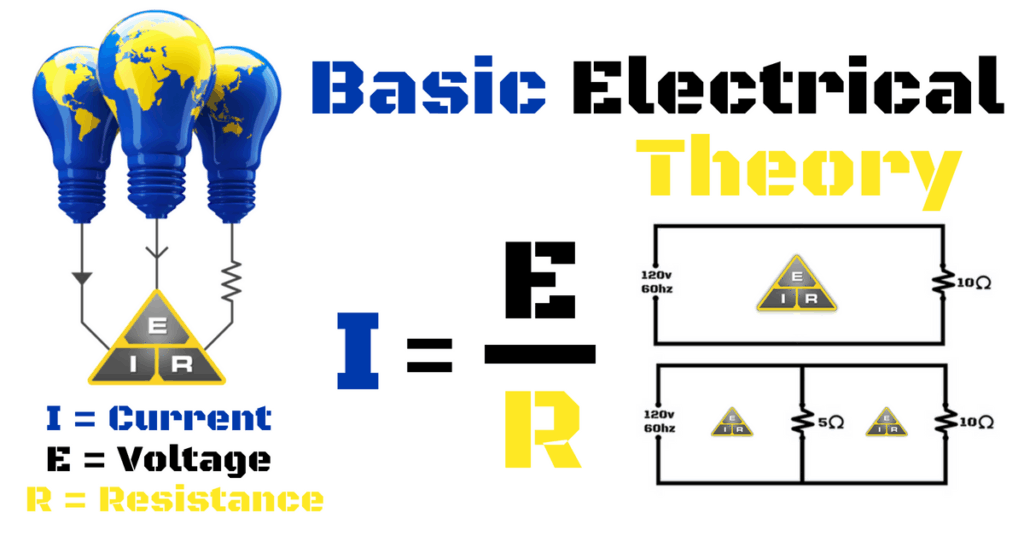
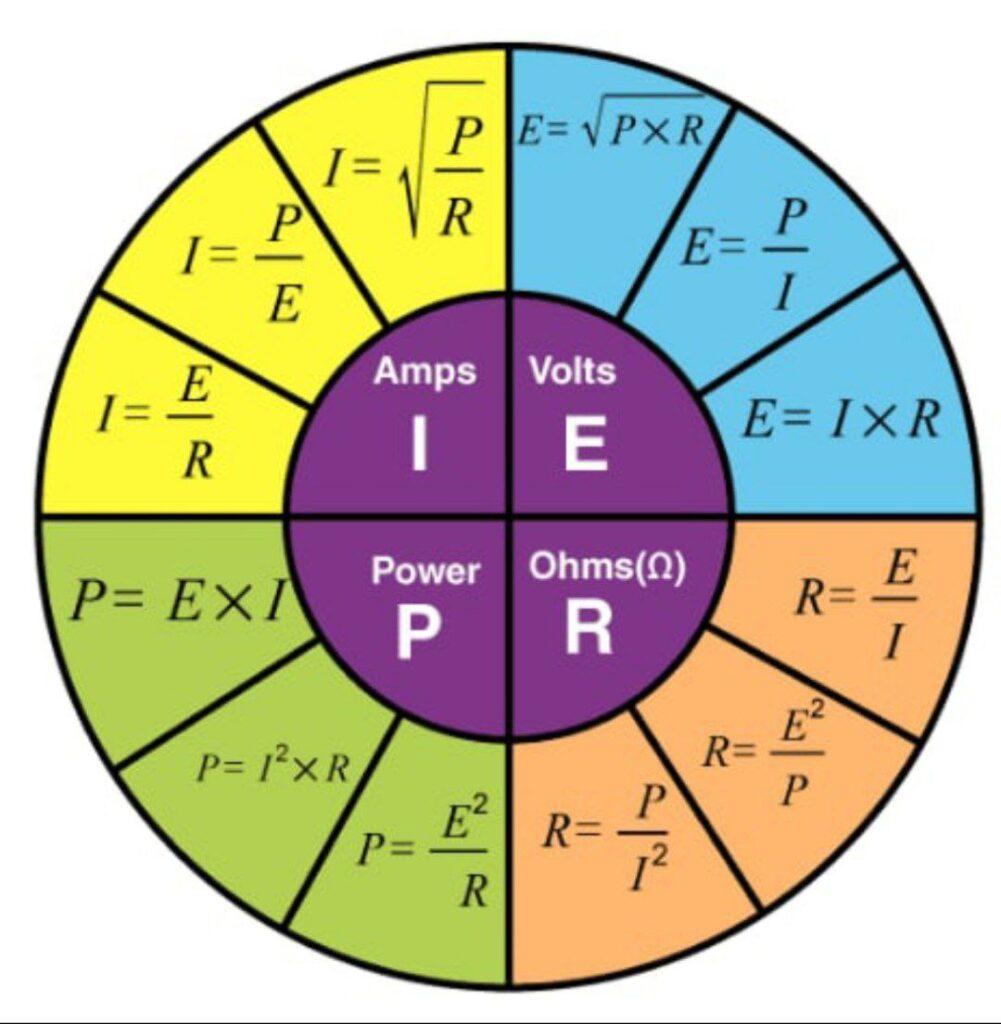
    Ohm’s Law is expressed as:

    Where:

    • E is voltage in volts,
    • I is current in amperes, and
    • R is resistance in ohms.

    This means that if you know any two of these values, you can calculate the third. The “Ohm’s Law Triangle” (or circle, depending on your preference) is a handy memory tool—cover the unknown quantity, and the relationship between the other two tells you how to solve for it.
    Putting It Into Practice

    The presentation walks through practical examples:

    • 12 V across 96 Ω → current is 0.125 A.
    • 1.5 A through 15 Ω → voltage is 22.5 V.
    • 550 mV across 0.1 A → resistance is 5.5 Ω.
    • 200 mA through 2.5 kΩ → voltage is 500 V.

    These worked problems highlight the importance of careful unit conversion—millivolts, milliamps, and kilohms need to be translated into base units to avoid errors.

    Series and Parallel Resistors
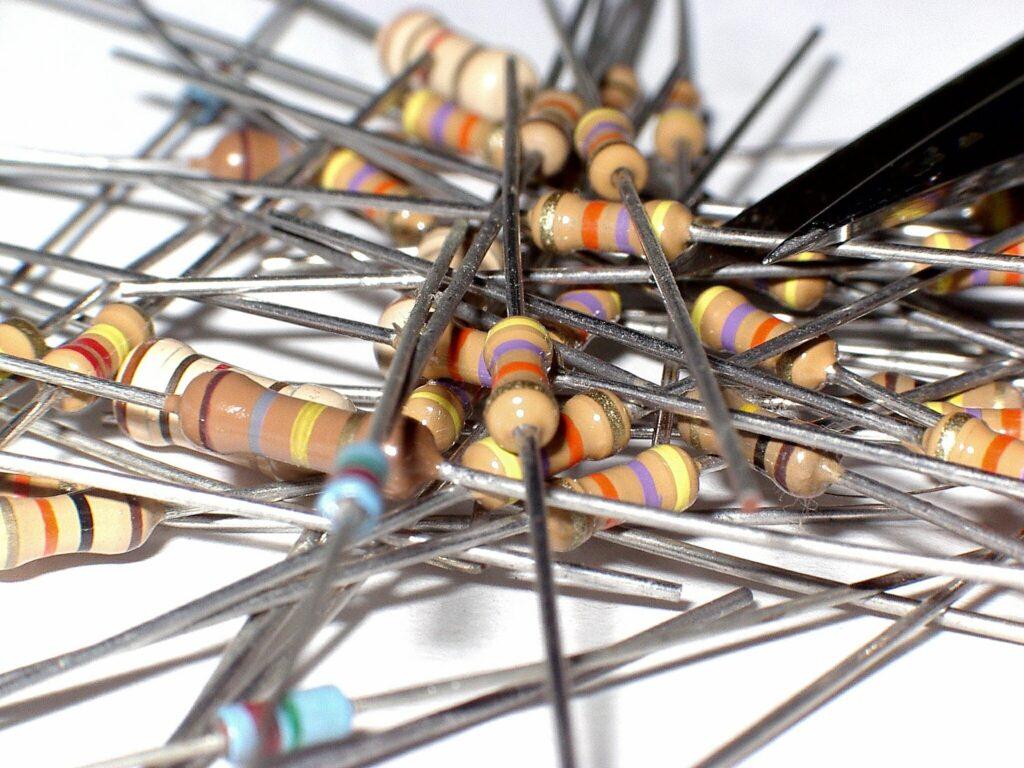
    A pile of random 1/8 W, 1/4 W and 1/2 W resistors of various constructions

    The presentation also digs into combining resistances:

    • Series circuits: resistances simply add together. Current is the same everywhere, but the voltage divides across each resistor.
    • Parallel circuits: resistances combine using reciprocals, and the total is always less than the smallest branch resistor. Voltage across each branch is the same, while current divides according to resistance.

    Worked examples show how to calculate total resistance, individual currents, and voltage drops in both series and parallel networks.

    Power in Electrical Circuits

    Beyond voltage and current, we need to understand power, which is the rate at which energy is converted into work. In electrical terms:

    P = E × I = E² / R = I² × R

    This is where the mnemonic PIE (Power = I × E) comes in handy. The unit of power is the watt, equal to one joule per second.

    Examples demonstrate that whether you start with voltage and resistance, or current and resistance, the result is the same: a 12 V source across a 50 Ω resistor dissipates 2.88 W of power, no matter which formula you use.

    Practical Considerations

    Resistors aren’t just about resistance—they also have power ratings. Exceeding the rated wattage leads to overheating and failure. As a general rule, always design with a 50–100% safety margin.

    The presentation also explores how power ratings are applied in series and parallel circuits, reinforcing the importance of checking each component’s limits before applying a load to a circuit.

    Wrapping Up

    The review questions at the end drive home the fundamentals:

    • Higher wattage bulbs consume energy faster.
    • Open circuits have no current.
    • Watts come from volts multiplied by amps.
    • Resistance equals voltage divided by current.

    Ohm’s Law and the concept of power are simple tools, but they’re the foundation of every circuit we build, test, or repair. Whether you’re a student learning the basics or a professional brushing up, getting comfortable with these relationships is essential.
  • Amateur Radio Codes of Conduct

    Amateur Radio Codes of Conduct

    1. Step by step – 1st Class
    2. Step-by-Step – 2nd Class
    3. Amateur Radio Codes of Conduct
    4. Step-by-Step – 3rd Class
    5. Step-by-Step – Class 4a
    6. Step-by-Step – Classes 4b & 4c
    7. Step-by-Step—Class 5
    8. Step-by-Step—Class 6
    9. Step-by-Step—Class 7
    10. Step-by-Step—Class 8a
    11. Step-by-Step—Class 8b
    12. Step-by-Step—Class 9
    13. Step-by-Step—Class 10
    14. Step-by-step—Class 11
    15. A Modern Code of Conduct and Ethics for Amateur Radio
    16. Step-by-step—Class 12
    17. Step-by-step—Class 13
    18. Step-by-step—Class 14
    19. Step-by-step—Class 15
    20. Step-by-step—Class 16
    21. Step-by-step—Class 17
    22. Reflection: My Amateur Radio Journey So Far
    23. Authorized to Transmit

    Code of Ethics for Canadian Amateur Radio Operators

    Bill Wilson, VE3NR (SK)

    The thoughtful Radio Amateur is:

    Responsible–using courteous operating practice, complying with regulations and accepted technical standards;

    Progressive–striving to develop and improve operating and technical skills;

    Helpful–offering assistance, support and encouragement to other Amateurs, especially beginners; and

    Public Spirited–offering use of station, knowledge and skills as a public service whenever possible. 

    The Radio Amateur’s Code

    Paul M. Segal, W9EEA, in 1928 

    The Radio Amateur is

    CONSIDERATE…He/[She] never knowingly operates in such a way as to lessen the pleasure of others.

    LOYAL…He/[She] offers loyalty, encouragement and support to other amateurs, local clubs, and the IARU Radio Society in his/[her] country, through which Amateur Radio in his/[her] country is represented nationally and internationally.

    PROGRESSIVE…He/[She] keeps his/[her] station up to date. It is well-built and efficient. His/[Her] operating practice is above reproach.

    FRIENDLY…He/[She] operates slowly and patiently when requested; offers friendly advice and counsel to beginners; kind assistance, cooperation and consideration for the interests of others. These are the marks of the amateur spirit.

    BALANCED…Radio is a hobby, never interfering with duties owed to family, job, school or community.

    PATRIOTIC…His/[Her] station and skills are always ready for service to country and community. 

  • Step-by-Step – 2nd Class

    Step-by-Step – 2nd Class

    1. Step by step – 1st Class
    2. Step-by-Step – 2nd Class
    3. Amateur Radio Codes of Conduct
    4. Step-by-Step – 3rd Class
    5. Step-by-Step – Class 4a
    6. Step-by-Step – Classes 4b & 4c
    7. Step-by-Step—Class 5
    8. Step-by-Step—Class 6
    9. Step-by-Step—Class 7
    10. Step-by-Step—Class 8a
    11. Step-by-Step—Class 8b
    12. Step-by-Step—Class 9
    13. Step-by-Step—Class 10
    14. Step-by-step—Class 11
    15. A Modern Code of Conduct and Ethics for Amateur Radio
    16. Step-by-step—Class 12
    17. Step-by-step—Class 13
    18. Step-by-step—Class 14
    19. Step-by-step—Class 15
    20. Step-by-step—Class 16
    21. Step-by-step—Class 17
    22. Reflection: My Amateur Radio Journey So Far
    23. Authorized to Transmit

    Today was the second class in the RAC Amateur Radio License course. We were studying Chapter Two of the Study Guide, Introduction to Electronics.

    This chapter lays the foundation for understanding basic electricity, beginning with the fundamental components of matter. Before delving into the technical theory, Al discussed the Amateur Radio Operator Code of Conduct. I decided that the two codes Al mentioned were important enough to warrant their own post, so you can find them here.

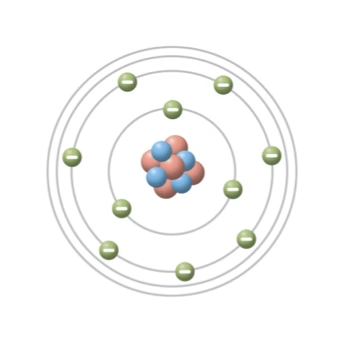
    We looked at atoms, their structure, and how the behaviour of electrons gives rise to electrical phenomena. From there, the discussion moved into conductors and insulators—why materials like copper and gold conduct electricity so well, while glass, rubber, and plastics resist it.

    Niels Bohr’s model of the atom (1913)

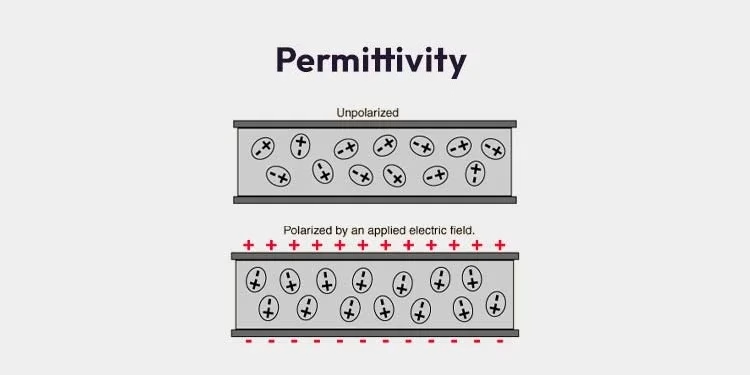
    Permittivity is a key idea in physics, especially in electromagnetism. It describes how a material reacts when an electric field is around. Understanding permittivity helps explain how electric fields work, as well as the functioning of capacitors, dielectrics, and electromagnetic waves.

    Permittivity, denoted by the symbol ε (epsilon), is essentially a measure of how well a material can allow electric fields to pass through it. It tells us how much the electric field inside the material is weakened compared to what it would be in a vacuum or open space. This property depends on the material’s makeup, structure, and physical state.

    Key ideas:

    1. Electric Permittivity (ε0): This is the permittivity of free space, often called epsilon naught. It’s a fundamental constant that describes how electric fields behave in a perfect vacuum. Its value is about 8.854 × 10⁻¹² farads per meter (F/m). In a vacuum, the electric field moves without distortion or loss.
    2. Relative Permittivity (εr): Also known as the dielectric constant, this is simply the ratio of a material’s permittivity to that of free space. It’s dimensionless and tells us how well a material can store electrical energy in an electric field compared to a vacuum. Materials like glass, ceramics, and many plastics have high relative permittivity, making them very effective at energy storage.

    Insulators or insulating materials are those substances which will not allow the flow of electrons through them due to very low free electrons in them, and they have a low dielectric constant (Relative permittivity = εr).

    Examples: Porcelain insulators used in power transmission on distribution poles and towers, rubber, glass, plastic, wood, etc.

    Dielectrics or dielectric materials are substances similar to insulators but allow the flow of electrons through them when subjected to an external electric field, as they can be polarized. They can also be defined as having the ability to store charge (energy) through polarization, as in a capacitor. Additionally, they have a high dielectric constant. (Relative permittivity = εr).

    Examples: A common example of a dielectric is the electrically insulating material between the metallic plates of a capacitor, (such as mica, laminated paper). Other examples include air, ceramic, etc.

    • All dielectrics are insulators, but not all insulators are dielectrics.
    • Everything becomes a conductor at certain temperatures or electric fields due to breakdown, as every insulator has its limits to withstand a potential difference across the material.

    Key electrical concepts were introduced, including charge, current, voltage, and resistance. Al Penny VO1NO, our instructor, explained the coulomb as the standard unit of charge, the ampere as the rate of electron flow, and voltage as the “pressure” that pushes electrons through a conductor. Resistance and the factors that affect it—material type, length, diameter, and temperature—are also covered, along with the role of resistors and potentiometers in circuits.

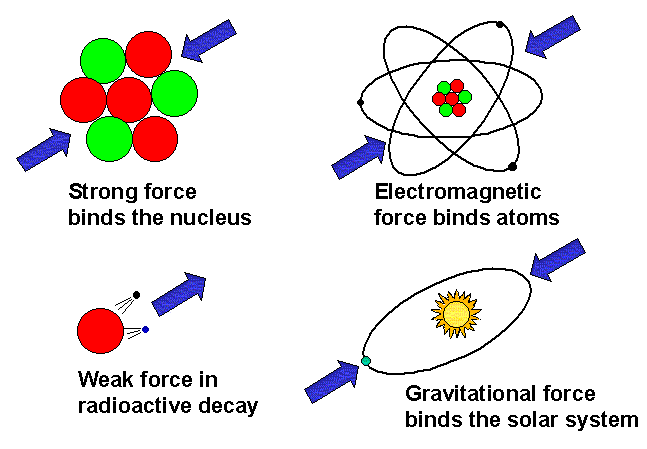
    The class then explored magnetism as one of the four fundamental forces of nature, showing how magnetic fields, poles, and materials influence electrical behaviour.

    The four fundamental forces

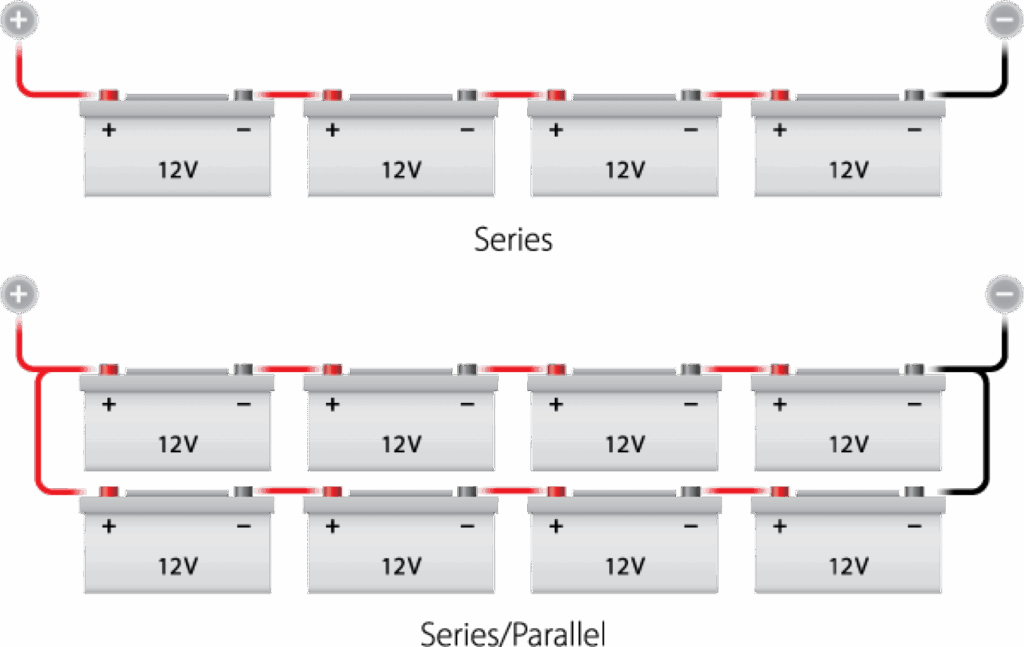
    This naturally led to a discussion of direct current (DC), its sources, and the role of cells and batteries. Al explained the difference between primary (non-rechargeable) and secondary (rechargeable) cells, the chemistry behind common examples like zinc–carbon and lead–acid batteries, and how cells can be connected in series or parallel to change voltage or current capacity.

    By the end, the chapter tied together the essential elements of electricity—atomic theory, conductors and insulators, current, voltage, resistance, magnetism, and electrochemical cells—providing a solid grounding for anyone beginning their journey into radio and electronics.

    This was a review for me, as I have worked with electronics and electricity throughout my career. However, for anyone who doesn’t have a grounding in these subjects or feels like they need a refresher, this was a great place to start.

    If you are thinking about studying for an Amateur Radio Certificate, there are some excellent flashcard decks available for free on Ankiweb. One that I am using is the ISED basic amateur questions (2025) deck.

  • Step by step – 1st Class

    Step by step – 1st Class

    1. Step by step – 1st Class
    2. Step-by-Step – 2nd Class
    3. Amateur Radio Codes of Conduct
    4. Step-by-Step – 3rd Class
    5. Step-by-Step – Class 4a
    6. Step-by-Step – Classes 4b & 4c
    7. Step-by-Step—Class 5
    8. Step-by-Step—Class 6
    9. Step-by-Step—Class 7
    10. Step-by-Step—Class 8a
    11. Step-by-Step—Class 8b
    12. Step-by-Step—Class 9
    13. Step-by-Step—Class 10
    14. Step-by-step—Class 11
    15. A Modern Code of Conduct and Ethics for Amateur Radio
    16. Step-by-step—Class 12
    17. Step-by-step—Class 13
    18. Step-by-step—Class 14
    19. Step-by-step—Class 15
    20. Step-by-step—Class 16
    21. Step-by-step—Class 17
    22. Reflection: My Amateur Radio Journey So Far
    23. Authorized to Transmit

    The first class for the Radio Amateurs of Canada (RAC) course was held tonight, September 18th, 2025.

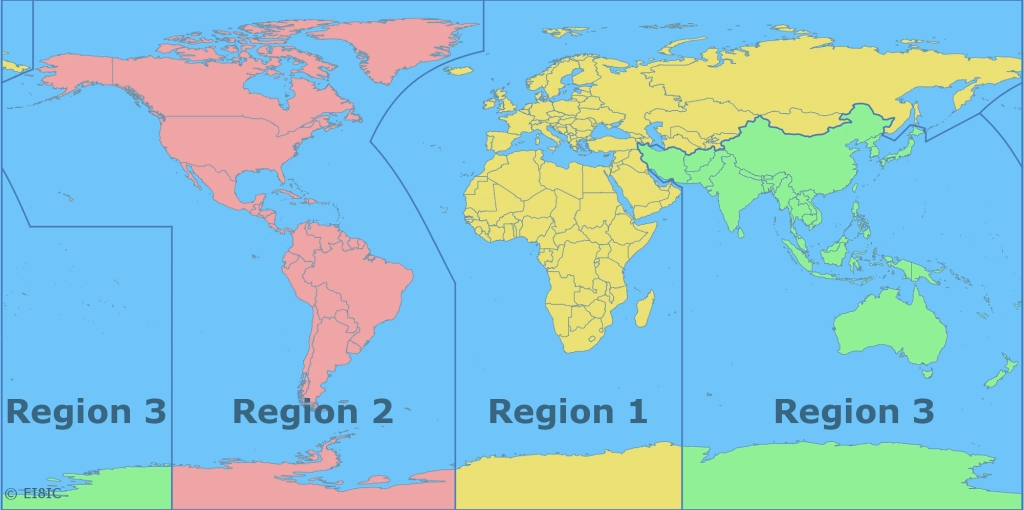
    The opening class of the Amateur Radio course introduced the foundations of amateur radio, beginning with its international and national regulatory framework. The International Telecommunication Union (ITU) was presented as the UN agency that manages the global radio spectrum, divides the world into three regions for frequency allocations, and sets rules that all operators must follow.

    We learned how these global rules are applied in Canada through the Radiocommunication Act (1985) and the work of Innovation, Science and Economic Development Canada (ISED), the department that licenses amateur stations and enforces technical standards. The concept of the amateur radio service was explained as a non-commercial activity for self-training, intercommunication, and technical experimentation.

    The class also introduced the key organizations that support amateur radio:

    • International Amateur Radio Union (IARU) – representing radio amateurs globally since 1925, working to protect frequency allocations and expand opportunities for experimentation.
    • Radio Amateurs of Canada (RAC) – the national body representing Canadian amateurs, providing services like The Canadian Amateur magazine, a QSL bureau, liability insurance for clubs, youth education programs, and emergency communications support.
    • Canadian Amateur Radio Advisory Board (CARAB) – a consultative forum between RAC and ISED on regulatory issues.
    IARU Regions

    Finally, the session touched on practical topics: the different classes of amateur radio certificates (Basic and Advanced), exam formats and procedures, study skills, and resources to help new operators succeed. We were reminded that passing the exam not only grants a license but also a free introductory RAC membership.

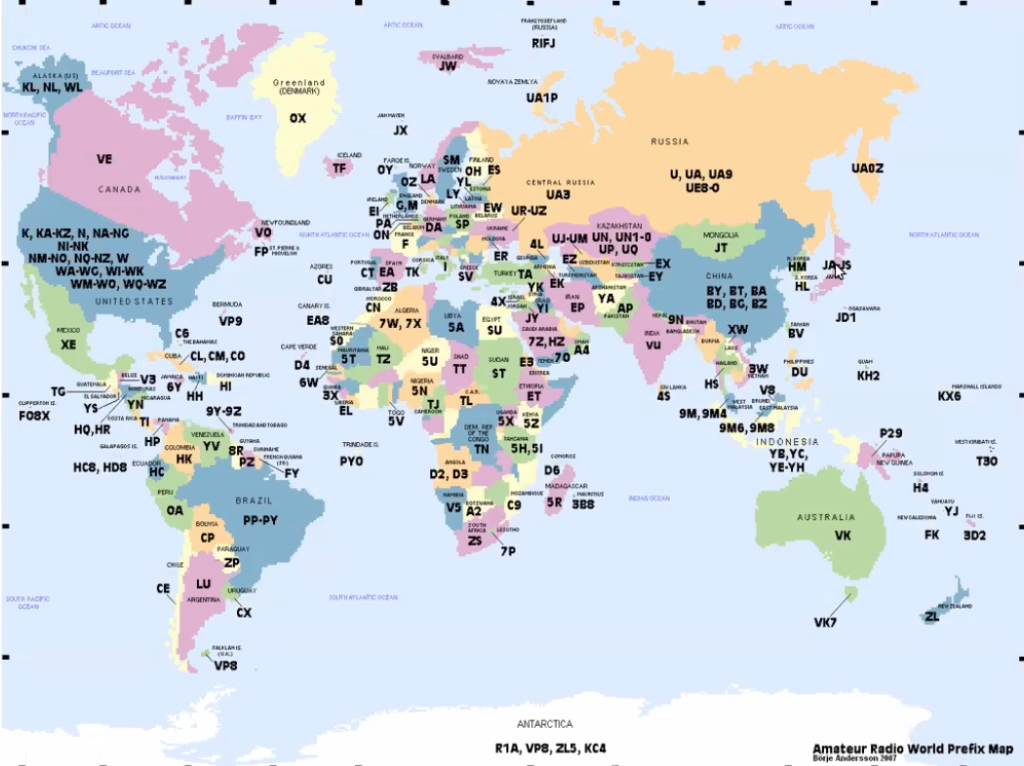
    Amateur radio call sign prefixes by country.

    This first class set the stage by showing how amateur radio is much more than a hobby: it is a globally coordinated, nationally regulated service supported by dedicated organizations and volunteers, with strong ties to public service and technical innovation.

    So, onward to our second class on Sunday afternoon… I’d better get cranking on my homework!

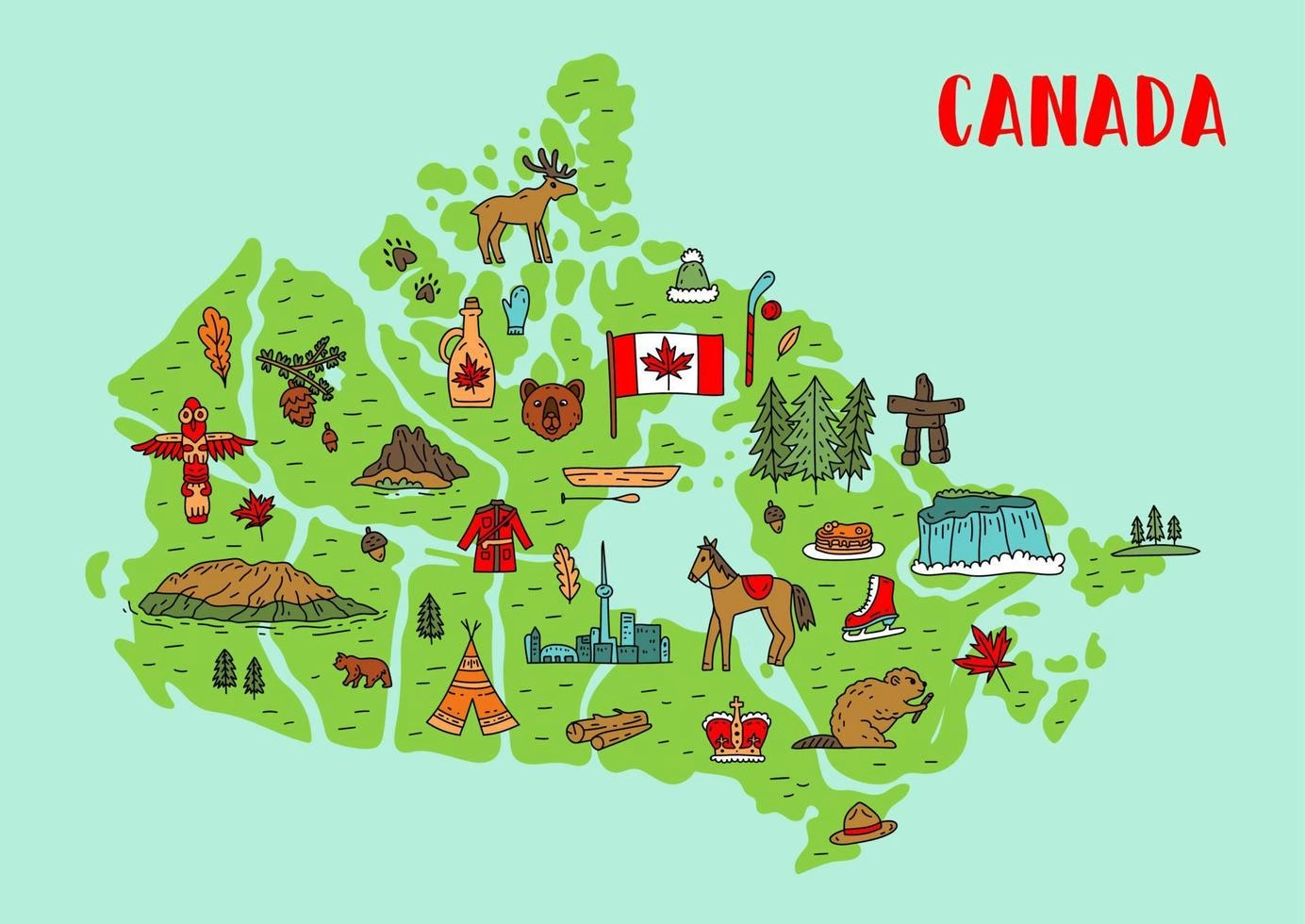
  • What being Canadian means to me

    What being Canadian means to me

    Back in the early 2ks, Molson Brewery ran an ad campaign called “I AM.” One of the ads from that campaign really resonated across the country. Here it is in case you haven’t seen it.

    Jeff updated the original ad during the recent “51st state” fracas between the US and Canada. The video and the image below effectively capture what being Canadian means to me. Jeff Douglas’s passion for our core values and the differences between Canadians and Americans resonates with me.

    We Are Canadian by Jeff Douglas, 2025

    Pierre Elliot Trudeau was one of Canada’s great Prime Ministers. His words, spoken in front of the Ukrainian-Canadian Congress in 1971, are still relevant today. Ironically, he said these words to a group of people, many of whom had fled the Soviet Union to escape the Holodomor in the 1930s. Canada has welcomed many Ukrainian refugees fleeing the war being waged on them by Russia. Canadians help people in need. That’s what we do.

    Pierre Trudeau's Remarks to the Ukrainian-Canadian Congress, 1971-10-09. "Uniformity is neither desirable nor possible in a country the size of Canada. We should not even be able to agree upon the kind of Canadian to choose as a model, let alone persuade most people to emulate it. There are few policies potentially more disastrous for Canada than to tell all Canadians that they must be alike. There is no such thing as a model or ideal Canadian. What could be more absurd than the concept of an "all-Canadian" boy or girl? A society which emphasizes uniformity is one which creates intolerance and hate. A society which eulogizes the average citizen is one which breeds mediocrity. What the world should be seeking, and what in Canada we must continue to cherish, are not concepts of uniformity but human values: compassion, love, and understanding."
    Pierre Trudeau’s Remarks to the Ukrainian-Canadian Congress, 1971-10-09.

    Finally, despite all the criticism, I like the video by Mark Carney and Mike Myers that was released just before the 2025 federal election.

  • Getting ready for school

    I signed up for ham radio license school today. Classes start on September 18th and run for 8 weeks. The course price is reasonable at CA $ 50, but then there is the study guide, which is another $45, etc. Anyway, this is the basic entry into the hobby, so I’m ready to go.

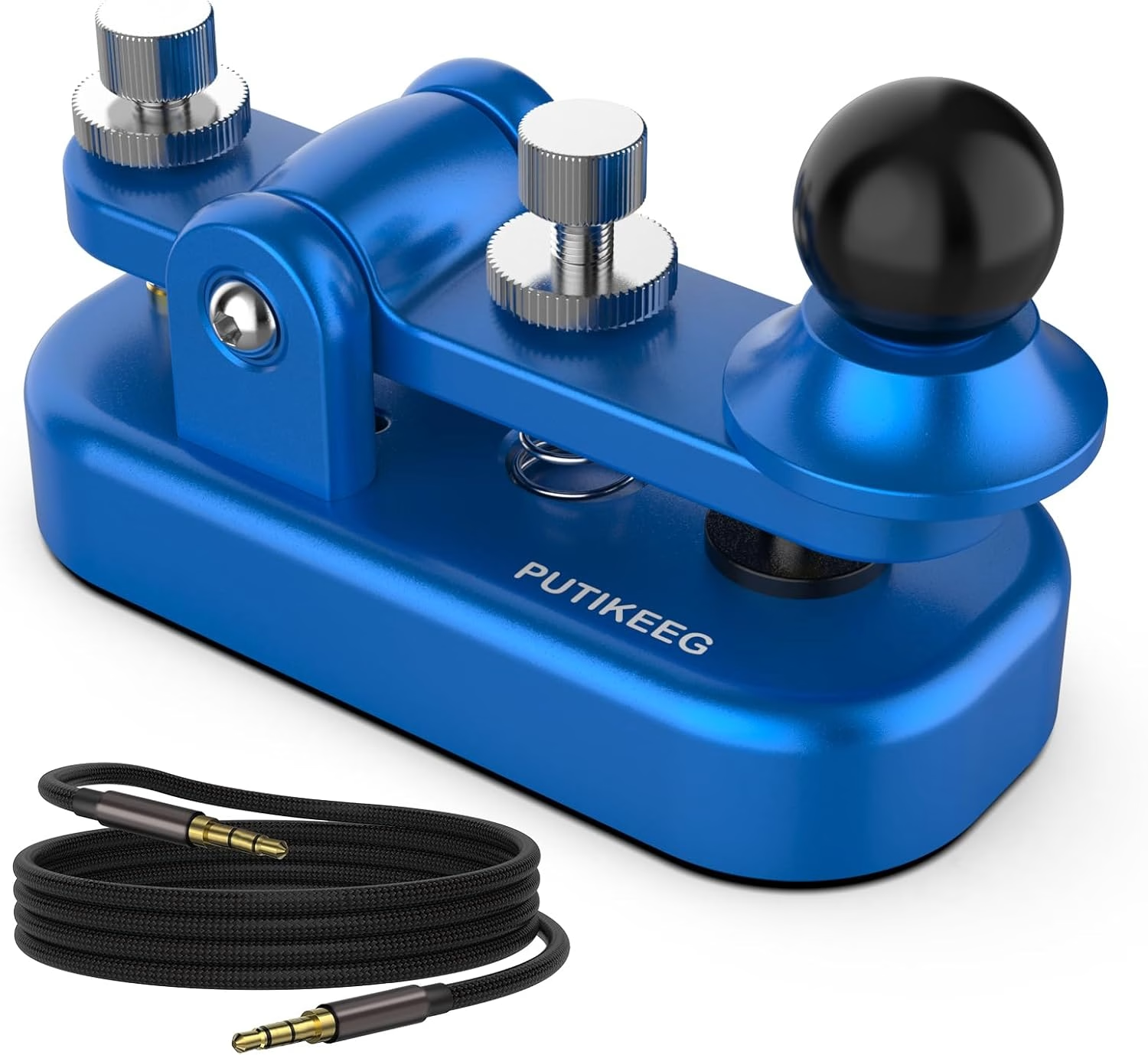
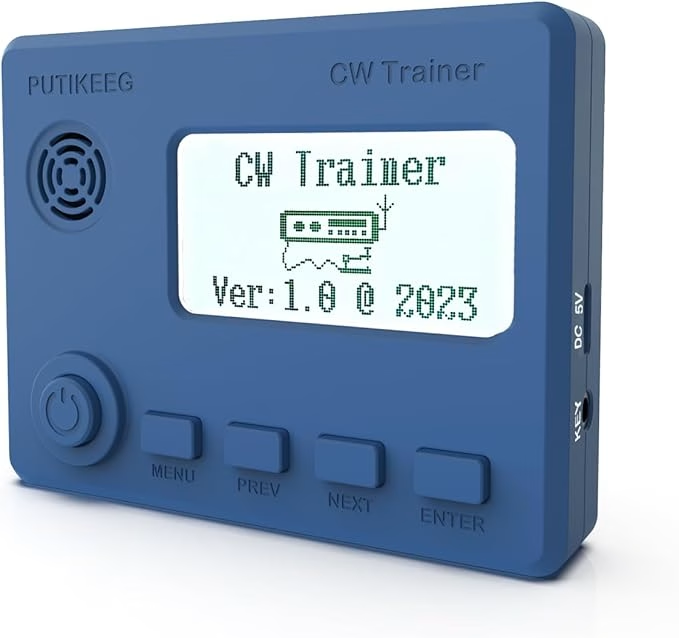
    I want to learn Morse Code too, but as they say, one step at a time. I’ve been shell-shocked by the cost of the gear needed for everything, starting with Morse keys. There are various types, starting with cheap and shitty at $15, up to Wow! That’s gorgeous! at > $300. If I buy a transceiver, then I can likely use it as a Morse Trainer. There are trainer keys that have a sounder built into the base, and then there are kits that can be built that even include a decoder so you can see just how bad your keying actually is.

    I found a reasonably priced key on Amazon, built by Putikeeg.

    Then I need a trainer before I get a transceiver. Here’s the one I’m thinking about.

    Anyway, I’m gonna wait on the CW1 (Morse) kit for now, as I want to get my Basic license in order first. Then my Advanced licence, and then my CW licence.

    Maybe I can buy a Silent Key’s2 station assets outright, for a single price. Yeah, that could work…


    Footnotes

    1. “CW” stands for “Continuous Wave” in ham-speak. It means that a continuous tone (700 Hz or so) is used to modulate the transmitter’s carrier wave when the key is pressed. Each key press creates the characteristic dots (dits) and dashes (dahs) of Morse Code. ↩︎
    2. A Silent Key is a ham radio operator who has died, and thus gone silent. ↩︎
  • Becoming a Ham Radio Operator

    Becoming a Ham Radio Operator

    This is the first entry in what I hope will be a series of entries about this new hobby that I’ve chosen to get into. I’ve been interested in radio since I built my first crystal radio kit when I was a kid, probably 8-10 years old, but I don’t remember exactly.

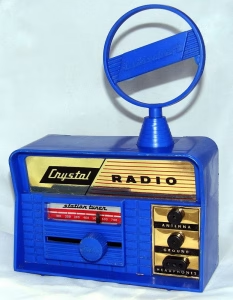
    I built a Remco 106 that closely resembled the one below. Sadly, I don’t have it anymore.

    Remco No. 106 Kit Crystal Radio

    I needed about a 50-foot [15 m] antenna, and access to a cold water pipe for a ground. I lived in an old house in Montréal then, which was nearly 110 feet front to back, and the upstairs hallway was more than long enough, so I was able to install the antenna inside.

    The downside with crystal radios is that they can only receive AM radio, so the sound quality is only as good as the station is broadcasting, and the quality of the headphones you’re using. Forget stereo. The headphones that came with the 106 were… meh.

    So now, many, many years later, I’ve decided to get into amateur radio. I have a friend who has had his licence since he was 10, and he’s 10 years older than me. He’s acting as my mentor in a way. He’s got a beautiful station, one I can’t even aspire to.

    So my first job is to get my licence. In Canada, if you score over 80 on the exam, you get wider access to the bands than if you don’t do so well on the exam. I recently took the practice exam and, going in cold (no studying at all), I scored a 74, so with a bit of work, I’ll be able to hit the magic number.

    I plan to attend the local Radio Amateur Club of Canada chapter meeting in September, and I’d like to have my licence before Christmas. I need to shake some time loose to study now…

    I’m also looking for some used equipment to get started with. My budget is limited, and I need everything—transceiver, power supply, antenna, mast, microphone, CW key.

    Once I get my regular licence, then I want to learn Morse Code so that I can add the CW certificate.

  • Lest We Forget

    Lest We Forget

    In fields of Flanders, poppies grow,

    Amidst the trenches, row by row.

    From Vimy Ridge to Ypres town,

    Our brave Canucks laid their lives down.

    Beyond the Somme, their courage shown,

    On battlefields, they’d never known.

    Passchendaele’s blood-soaked ground,

    Echoes still with wartime sound.

    In Normandy, they stormed the shore,

    Defeating tyranny and war.

    In Korea’s cold and bitter chill,

    Our soldiers fought with dauntless will.

    On peacekeeping missions far and wide,

    Canadians stood with fearless pride.

    In Cyprus, Bosnia, and Rwanda,

    We saw the pain of war’s grand horror.

    Afghanistan’s dusty plains,

    Etched in memory, forever stained.

    From Vimy Ridge to Kandahar,

    We pause, remember, and honour.

    On this Remembrance Day, we stand,

    United in our cherished land.

    For freedom’s price, they bravely paid,

    In sacrifice, their lives were laid.

    In gratitude, we shall recall,

    The valiant souls who gave their all.

    Lest we forget the lives they led,

    In service to our Maple Leaf.

    ~ Douglas Nix, November 11, 2024

  • Melbourne, VIC, AU

    I visited Melbourne, Victoria, Australia, at the end of November 2023. This was my first international trip since the start of the pandemic and my first trip to Australia. I was travelling to Melbourne for ISO standards development meetings.

    (more…)
  • Ford’s Election

    Election – A Haiku

    by wristPin

    Beautiful leaping
    A sad conservative win
    Progressive dreams lost

    Bonhoeffer‘s Theory of Stupidity – Sprouts